Understanding Engine Torque Delivery
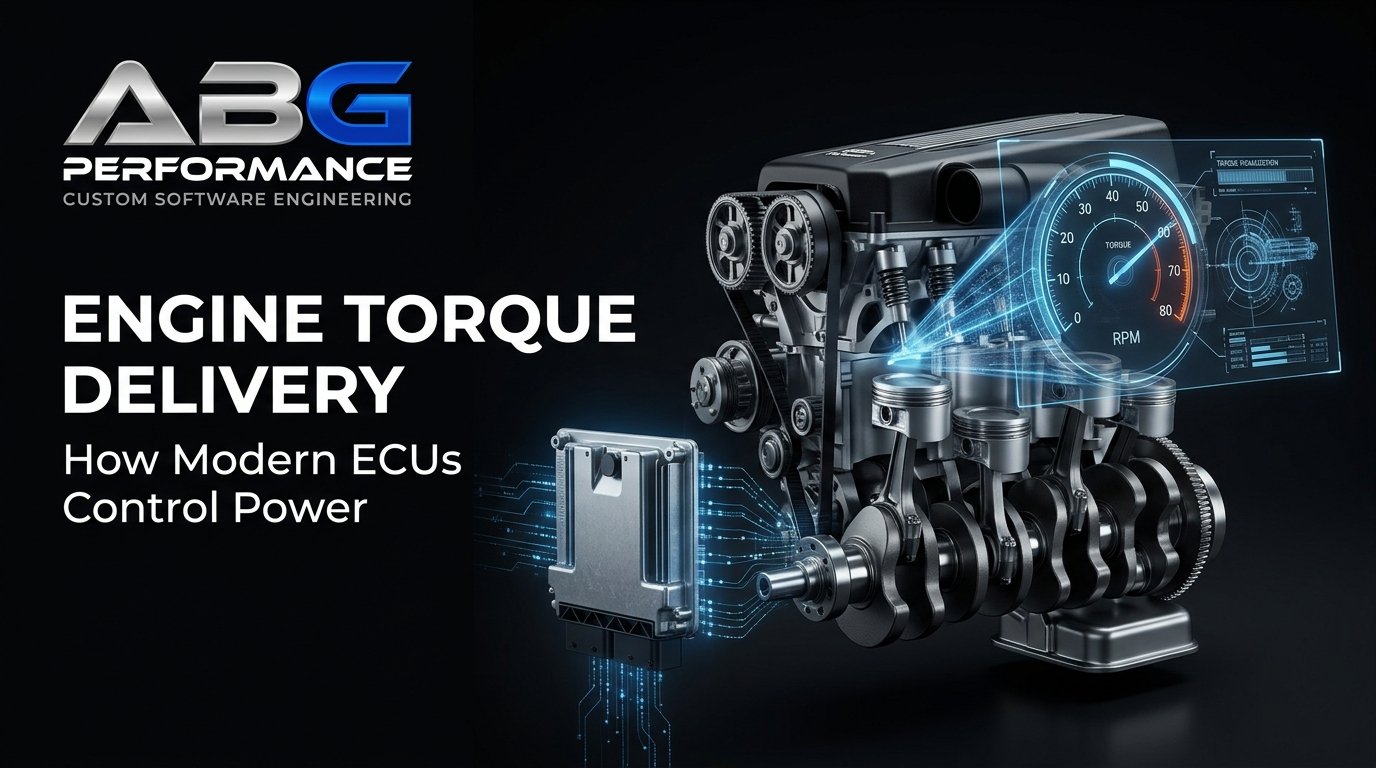
Engine torque is one of the most important factors influencing how a vehicle accelerates and responds to driver input. While horsepower describes the rate at which an engine performs work, torque represents its rotational force.
Modern vehicles use sophisticated engine management systems to control how torque is generated and delivered under different driving conditions.
The Engine Control Unit (ECU) continuously processes information from various sensors and adjusts engine operation to achieve the requested torque while maintaining performance, efficiency, and component protection.
How Does an ECU Calculate Requested Torque?
When a driver presses the accelerator pedal, the ECU interprets the pedal position as a torque request rather than simply opening the throttle by a fixed amount.
The control unit considers several operating parameters, including:
-
Accelerator pedal position
-
Engine speed (RPM)
-
Current engine load
-
Intake air temperature
-
Coolant temperature
-
Vehicle speed
-
Transmission operating conditions
Based on this information, the ECU determines the appropriate torque output for the current situation.
The requested torque may change depending on driving conditions, engine temperature, traction requirements, and other vehicle limitations.
The Difference Between Requested and Actual Torque
Requested torque represents the amount of torque the driver or vehicle control system wants the engine to produce.
Actual torque represents the torque currently being delivered by the engine.
These values do not always match.
Several factors can influence the difference:
-
Turbocharger response and boost availability
-
Fuel injection limitations
-
Intake air temperature
-
Engine protection strategies
-
Transmission torque restrictions
-
Exhaust temperature limitations
For example, during rapid acceleration, the ECU may request a specific torque level, but the engine might need additional time to reach that output because the turbocharger has not yet developed sufficient boost pressure.
Understanding this relationship is important when evaluating engine performance and diagnosing torque-related issues.
How Torque Limiters Influence Engine Performance
Modern ECUs use different torque limiters to protect engine components and maintain safe operating conditions.
Depending on the vehicle and engine management system, these limitations may be influenced by:
Engine speed: Torque availability can change across different RPM ranges.
Temperature: High intake air or coolant temperatures may cause the ECU to reduce torque.
Transmission limits: The gearbox may have specific torque restrictions to protect internal components.
Environmental conditions: Air pressure and temperature can influence available engine output.
Component protection: The ECU can reduce torque when operating conditions approach predefined protection thresholds.
These strategies help ensure that the engine operates within its intended operating limits.
The Role of Torque Management in ECU Tuning
Professional ECU calibration involves understanding how different torque-related parameters interact.
Simply increasing one torque value does not automatically improve overall engine performance.
The ECU may still apply other restrictions through related control strategies. This can lead to inconsistent acceleration, unexpected torque reductions, or communication issues between the engine and transmission control systems.
A vehicle-specific calibration should consider the complete torque management structure, including the engine's capabilities and the limitations of connected components.
Proper calibration focuses on maintaining consistent torque delivery rather than simply targeting the highest possible output.
Why Transmission Communication Matters
In modern vehicles, the engine and transmission control units frequently exchange information.
The transmission may request torque reductions during gear changes to help manage shifting operations and protect mechanical components.
If engine torque management is not properly coordinated with transmission requirements, the vehicle may experience:
-
Harsh or delayed gear changes
-
Unexpected torque intervention
-
Reduced acceleration
-
Inconsistent driving behaviour
This is why understanding communication between the ECU and transmission control system is an important part of professional vehicle calibration.
Final Thoughts
Engine torque delivery involves much more than increasing engine output. Modern ECUs continuously coordinate driver requests, engine operating conditions, component protection, and transmission requirements.
Understanding these relationships helps explain why professional ECU tuning requires a complete approach to engine management rather than isolated parameter adjustments.