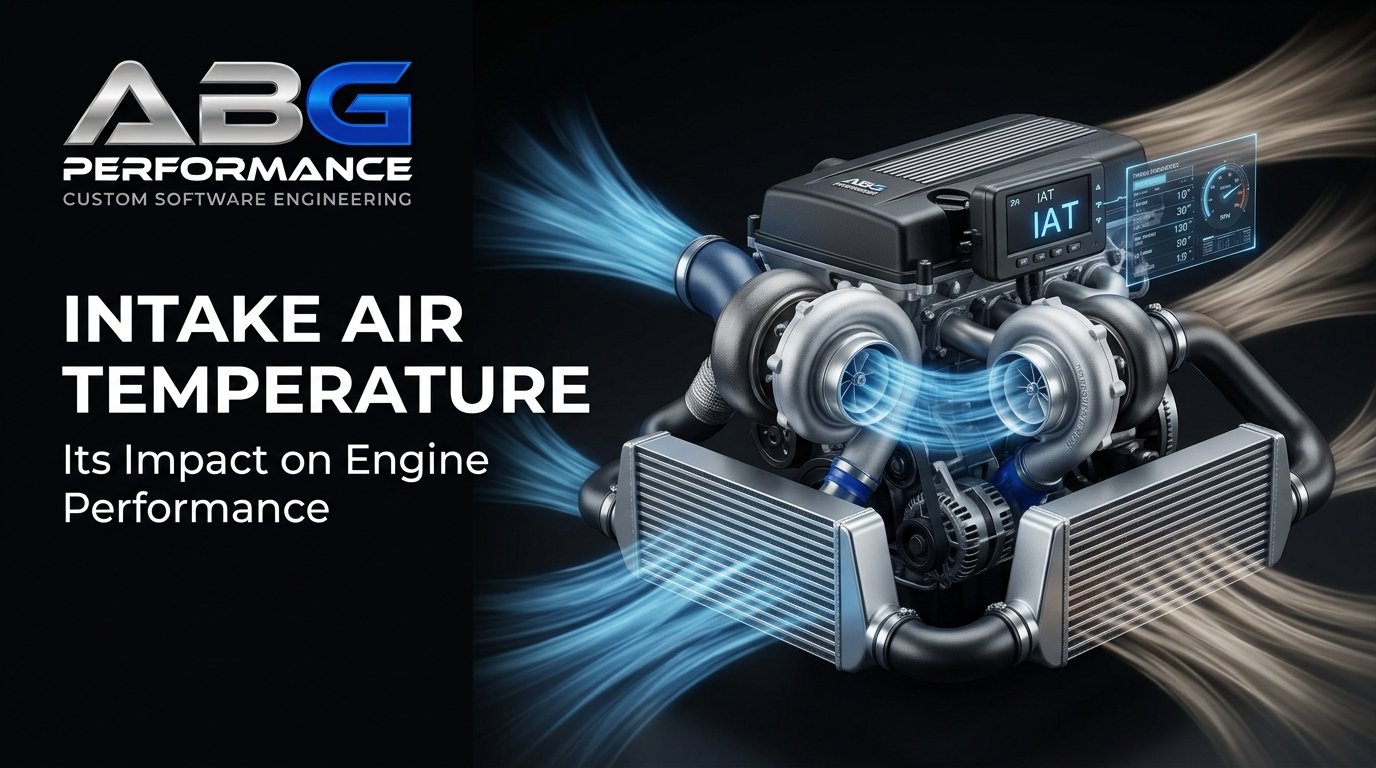
What Is Intake Air Temperature?
Intake Air Temperature (IAT) refers to the temperature of the air entering an engine through its intake system.
It is an important parameter in modern petrol and diesel engines because air density directly influences how much oxygen is available for combustion.
Engine management systems monitor intake air temperature using dedicated sensors and use this information to adjust different operating parameters.
Understanding IAT is particularly important when evaluating engine performance, diagnosing power loss, or working with turbocharged vehicles.
Why Does Intake Air Temperature Matter?
Air density changes depending on temperature.
Cooler air is generally denser than warmer air under comparable pressure conditions. This means cooler intake air contains more oxygen within the same volume.
Oxygen availability influences combustion, especially in engines where airflow and fuel delivery are closely controlled.
When intake temperatures increase, air density generally decreases. As a result, the engine may have less oxygen available for combustion under otherwise similar conditions.
This can influence engine output, efficiency, and combustion temperatures.
How Does the ECU Use Intake Air Temperature Data?
The ECU continuously monitors intake air temperature to maintain appropriate engine operation.
Depending on the engine management strategy, IAT information can influence:
-
Fuel injection calculations
-
Ignition timing
-
Boost pressure control
-
Air mass calculations
-
Engine protection strategies
-
Torque limitations
For example, in turbocharged petrol engines, higher intake air temperatures may cause the ECU to adjust ignition timing to reduce the risk of knock.
In diesel engines, intake temperature can influence air-density calculations and boost management strategies.
The exact response depends on the engine design and calibration.
What Causes High Intake Air Temperatures?
Several factors can contribute to increased intake air temperature.
1. Turbocharger Compression
When a turbocharger compresses incoming air, its temperature increases. This is a normal physical effect of compression.
2. Insufficient Intercooler Efficiency
The intercooler reduces compressed air temperature before it enters the engine.
If the intercooler is inefficient, damaged, or undersized for the operating conditions, intake temperatures may remain higher than expected.
3. High Ambient Temperature
Hot weather increases the temperature of the air entering the intake system, making temperature management more challenging.
4. Engine Bay Heat
Poor intake routing or insufficient thermal isolation can allow surrounding engine heat to influence incoming air.
5. Restricted Airflow
Problems within the intake system can affect airflow and overall operating conditions, potentially contributing to increased temperatures.
The Role of the Intercooler
An intercooler is designed to reduce the temperature of compressed air supplied by the turbocharger.
By lowering intake air temperature, it helps increase air density and improve the conditions for combustion.
Intercooler performance depends on several factors:
-
Core design and size
-
Airflow through the intercooler
-
Internal pressure drop
-
Cooling efficiency
-
Ambient temperature
-
Vehicle speed and operating conditions
However, a larger intercooler does not automatically guarantee better performance.
The complete intake and cooling system must be properly matched to the engine's requirements.
How High IAT Can Affect ECU Tuning
Intake air temperature is an important consideration during ECU calibration.
A calibration that performs well under cooler conditions may behave differently when intake temperatures rise.
Modern engine management systems often include temperature-dependent correction strategies to protect engine components.
These strategies may reduce ignition advance, adjust boost targets, or limit torque when operating conditions require additional protection.
Professional calibration should account for these temperature-related corrections rather than focusing exclusively on performance under ideal conditions.
The objective is to achieve consistent engine behaviour across a realistic range of operating temperatures.
Diagnosing Intake Air Temperature Problems
When investigating unusually high intake temperatures, comparing sensor readings with other operating parameters can help identify potential issues.
Important measurements include:
-
Ambient air temperature
-
Intake air temperature before and after the intercooler, where available
-
Boost pressure
-
Engine load
-
Engine RPM
-
Vehicle speed
A diagnostic tool or ECU data logger can help technicians observe how intake temperature changes during different driving conditions.
It is also important to verify sensor accuracy and inspect the physical condition of the intake and intercooler system before making calibration changes.
Final Thoughts
Intake air temperature plays an important role in engine performance, combustion efficiency, and component protection.
Understanding how temperature affects air density and how the ECU responds to changing conditions helps technicians evaluate engine behaviour more accurately.
For professional ECU tuning, proper temperature management is essential for achieving reliable and consistent performance under different operating conditions.